
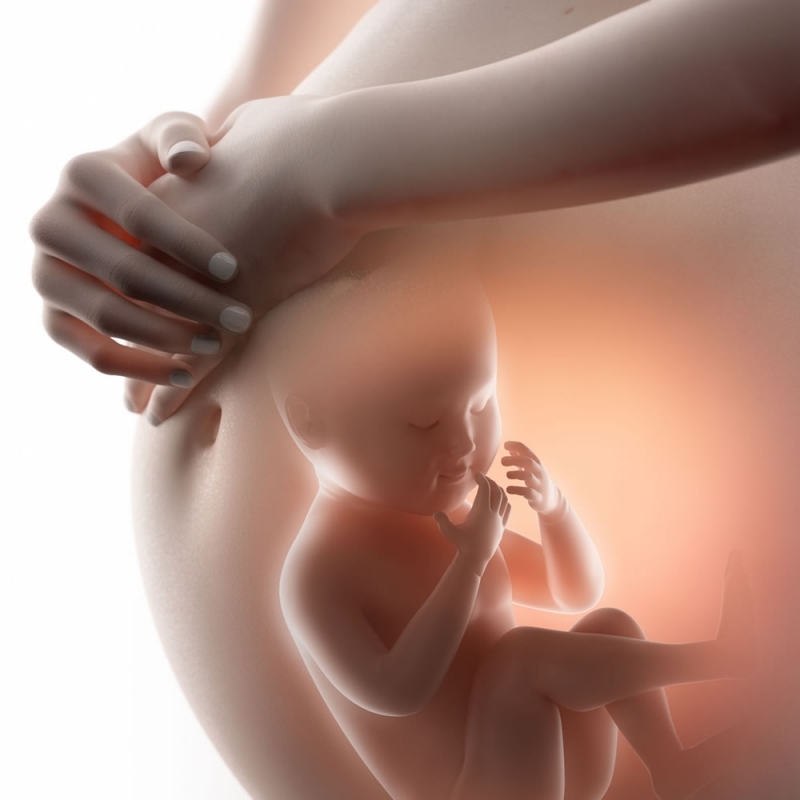
What is infertility? What to do? Quick Facts About Infertility
Generally speaking, infertility refers to the failure of a couple to conceive within one year of normal sexual intercourse without the use of contraception. Infertility does not necessarily mean that you cannot get pregnant, but it can also mean that it is not easy to get pregnant. There are many reasons for infertility, the most common one being age-related infertility; in addition, the quality of the sperm and eggs of both men and women or their reproductive organs, as well as their genes and lifestyle can all have an impact on infertility.
Definition of Infertility
Infertility is defined as the failure to conceive within one year after a couple has had normal sexual intercourse without contraception. This does not mean that it is impossible to conceive at all, but rather that there are difficulties in the process of conception. In fact, there are many causes of infertility, including age, reproductive organs, genes and lifestyle.
Common Causes of Infertility
Possible causes of female infertility
◉ Ovarian dysfunction: problems such as polycystic ovary syndrome (PCOS) may affect egg quality.
◉ Uterine anomalies: Endometriosis and uterine fibroids can interfere with the implantation of a fertilized egg.
◉ Oviductal problems: Obstruction or damage to the oviduct can prevent sperm-egg binding.
◉ Hormonal imbalance: Abnormal hormone levels can affect ovulation and ovarian function.
Possible causes of male infertility
◉ Sperm abnormalities: Insufficient sperm count, poor motility or abnormal morphology can affect fertilization.
◉ Abnormalities of the reproductive organs: Structural or functional abnormalities of the reproductive organs can affect sperm quality.
Lifestyle & Environment
◉ Diet and weight: Excessive obesity or low weight can affect fertility.
◉ Smoking and drinking: Smoking and excessive alcohol consumption can harm reproductive health.
◉ Stress: Prolonged stress affects the chances of conception.
Age
◉ Age of the woman: Fertility declines with age, and women over 35 years of age are considered to be elderly mothers.
◉ Male age: As men age, the quality and quantity of sperm decreases.
Genes and Chronic Disease
◉ Genetic factors: Genetic abnormalities can affect fertility.
illnesses
◉ Chronic diseases: Diabetes and immune system disorders affect reproductive function.
◉ Sexually Transmitted Diseases (STDs): STDs can impair fertility.
From the above, it is easy to see that the causes of infertility are very complex and cannot necessarily be attributed to a single disease or condition.
Signs of Infertility
As mentioned above, infertility is defined as the failure of a couple to conceive within one year without contraception. But in fact, you can also recognize the existence of infertility from some daily signs.
◉ Irregular periods: Irregular menstrual cycles may indicate a hormonal imbalance that can affect ovulation.
◉ Endocrine disorders: Endocrine disorders affect ovarian function and ovulation.
◉ Severe hair loss: Severe hair loss may be related to hormonal imbalance and should be checked in time.
Decreased sexual desire: Decreased sexual desire may be related to hormonal imbalance or psychological stress.
What should I do if I suspect I have infertility? Recommended IVF Treatment in Taichung|Shea Yao-Yuan Obstetrics & Gynecology
If you are facing infertility, let Taichung Hsieh Yao-Yuan Obstetrics and Gynecology be your strongest support on your journey to fertility!
Founded in 2001, Tse Yiu Yuen Obstetrics and Gynecology Department, led by Dr. Tse Yiu Yuen, MD and Dr. Chang Kee Chen, MD, has won the award of Outstanding Reproductive Medicine Center many times and has helped tens of thousands of infertile couples to achieve their dreams.
We are committed to providing the most advanced IVF technology and comprehensive care to help you realize your dream of having a baby. Contact us now!Contact UsPlease contact us for more information!